

Hey there! As a supplier of polished titanium balls, I often get asked about their potential uses in electrical applications. So, I thought I'd dive into this topic and share some insights.
First off, let's talk a bit about titanium. Titanium is a super interesting metal. It's known for its high strength - to - weight ratio, excellent corrosion resistance, and biocompatibility. When we polish titanium balls, we not only give them a shiny, aesthetically pleasing look but also enhance some of their surface properties.
Now, for electrical applications, conductivity is a key factor. Titanium, on its own, isn't the best conductor of electricity. Compared to metals like copper and aluminum, which are widely used in electrical wiring and components due to their high electrical conductivity, titanium has a relatively low conductivity. The electrical conductivity of titanium is around 3.1% that of copper. So, if you're looking for a material to carry large amounts of electrical current, polished titanium balls might not be your first choice.
However, that doesn't mean they have no place in the electrical world. One area where polished titanium balls could potentially be used is in low - current electrical contacts. In some electronic devices, there are parts that require small amounts of current to flow. For example, in certain sensors or switches, the current levels are so low that the relatively poor conductivity of titanium isn't a major issue. The smooth surface of polished titanium balls can ensure a stable and consistent contact area, which is important for reliable electrical performance.
Another aspect to consider is the corrosion resistance of titanium. In electrical applications where the components are exposed to harsh environments, such as high humidity, chemicals, or saltwater, titanium's corrosion - resistant nature can be a huge advantage. For instance, in marine electronics or industrial control systems located in corrosive atmospheres, using polished titanium balls can prevent the formation of rust and other corrosion products that could disrupt the electrical connection.
Let's also think about the mechanical properties of polished titanium balls. They are very hard and wear - resistant. In electrical devices with moving parts, like some types of relays or actuators, the durability of titanium balls can ensure a long service life. The polished surface reduces friction, which means less wear and tear on the contacts over time. This can lead to fewer maintenance requirements and a more reliable overall system.
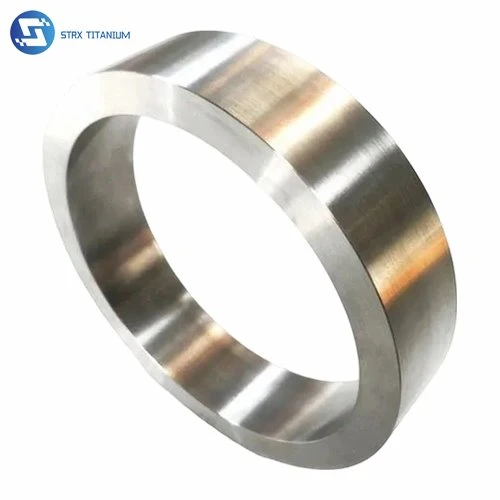
Now, I'd like to mention some related titanium products that might also be of interest for electrical or other applications. If you're looking for different forms of titanium, we also offer Titanium Alloy Forged Ring, Titanium Disc Forgings, and Titanium Ring forging. These products have their own unique properties and can be used in a variety of industries, including electrical engineering.
When it comes to manufacturing polished titanium balls for electrical applications, we pay close attention to quality control. We use advanced polishing techniques to ensure that the surface finish meets the strict requirements of the electrical industry. The size and shape accuracy of the balls are also carefully controlled to guarantee proper fit and function in the electrical components.

But, of course, like any material, there are limitations. As I mentioned earlier, the low conductivity is a drawback for high - current applications. Also, the cost of titanium is relatively high compared to some other metals. This means that in cost - sensitive electrical projects, the use of titanium balls might not be economically viable.
In conclusion, while polished titanium balls aren't a one - size - fits - all solution for electrical applications, they do have some unique properties that make them suitable for certain niches. Their low - current conductivity, corrosion resistance, and mechanical durability can be valuable in specific electrical devices. If you're in the electrical industry and think that polished titanium balls could be a good fit for your project, I'd love to have a chat with you. Whether it's for a small - scale prototype or a large - scale production, we can work together to find the best solution. So, don't hesitate to reach out and start a conversation about your procurement needs.
References:
- "Materials Science and Engineering: An Introduction" by William D. Callister, Jr. and David G. Rethwisch
- Various research papers on titanium properties and electrical applications from academic databases.