

In the realm of engineering and manufacturing, the choice of fasteners is a critical decision, especially when dealing with high - vibration environments. As a trusted supplier of titanium bolts, I am frequently asked whether titanium bolts can be used in such challenging conditions. In this blog post, I will delve into the properties of titanium bolts, the factors influencing their performance in high - vibration settings, and provide insights to help you make an informed decision.
Understanding Titanium Bolts
Titanium is a remarkable metal known for its exceptional strength - to - weight ratio, corrosion resistance, and biocompatibility. These properties have made titanium bolts a popular choice in various industries, including aerospace, automotive, and marine.
The strength - to - weight ratio of titanium is one of its most significant advantages. Titanium bolts are approximately 40% lighter than steel bolts of the same size, while still offering comparable strength. This makes them ideal for applications where weight reduction is crucial, such as in aircraft and high - performance vehicles.
Corrosion resistance is another key benefit of titanium bolts. Titanium forms a thin, protective oxide layer on its surface when exposed to oxygen, which prevents further corrosion. This makes titanium bolts suitable for use in harsh environments, including those with high humidity, saltwater exposure, or chemical agents.
Challenges in High - Vibration Environments
High - vibration environments pose unique challenges to fasteners. The constant shaking can cause loosening of the bolts, leading to structural instability and potential failure of the equipment. Factors such as the frequency and amplitude of the vibration, the duration of exposure, and the type of equipment can all affect the performance of the fasteners.
One of the main issues with vibration is the self - loosening of bolts. When a bolt is tightened, it creates a clamping force that holds the components together. However, under vibration, this clamping force can gradually decrease, causing the bolt to loosen. This is known as "vibration - induced loosening."
Another concern in high - vibration environments is fatigue failure. The repeated stress cycles caused by vibration can lead to the formation and propagation of cracks in the bolt material, eventually resulting in fatigue failure.
Performance of Titanium Bolts in High - Vibration Environments
So, can titanium bolts be used in high - vibration environments? The answer is yes, but with some considerations.
Advantages of Titanium Bolts in High - Vibration
- Damping Properties: Titanium has good damping characteristics, which means it can absorb and dissipate vibration energy. This helps to reduce the transfer of vibration to the surrounding components and can minimize the risk of self - loosening.
- Corrosion Resistance: In high - vibration environments where corrosion can accelerate the degradation of fasteners, the corrosion resistance of titanium bolts is a significant advantage. Corrosion can weaken the bolt material and increase the likelihood of failure, but titanium's ability to resist corrosion helps to maintain its integrity over time.
Considerations for Using Titanium Bolts in High - Vibration
- Thread Design: The thread design of titanium bolts plays a crucial role in their performance in high - vibration environments. A well - designed thread can provide better resistance to self - loosening. For example, using a locking thread or a thread with a higher pitch can help to increase the clamping force and prevent the bolt from backing out.
- Pre - loading: Proper pre - loading of the bolts is essential to ensure they can withstand high - vibration. Pre - loading involves tightening the bolts to a specific torque value to create an initial clamping force. This clamping force helps to prevent the bolt from loosening under vibration. However, it is important to note that over - tightening can lead to thread damage or even bolt failure, so it is crucial to follow the manufacturer's recommendations for pre - loading.
- Use of Locking Devices: In some cases, using additional locking devices such as lock washers, nylon - inserted nuts, or thread - locking compounds can enhance the performance of titanium bolts in high - vibration environments. These devices can help to prevent self - loosening by providing an extra layer of security.
Applications of Titanium Bolts in High - Vibration Environments
Despite the challenges, titanium bolts are successfully used in many high - vibration applications.
Aerospace Industry
In the aerospace industry, weight reduction is of utmost importance. Titanium bolts are widely used in aircraft engines, airframes, and landing gear systems, all of which are subject to high - vibration during flight. The high strength - to - weight ratio and corrosion resistance of titanium make it an ideal material for these critical components.
Automotive Industry
In the automotive industry, titanium bolts are used in high - performance engines, suspension systems, and exhaust systems. These components are exposed to high - vibration during operation. The use of titanium bolts helps to reduce weight, improve performance, and increase the durability of the vehicle.
Marine Industry
In the marine industry, titanium bolts are used in boat engines, hull structures, and rigging systems. These components are exposed to high - vibration from the engine and waves, as well as a corrosive saltwater environment. The corrosion resistance and damping properties of titanium make it a suitable choice for these applications.
Our Titanium Bolt Products
As a leading supplier of titanium bolts, we offer a wide range of products to meet the diverse needs of our customers. Our Titanium Micro Mini Bolts Kits are perfect for applications where space is limited, such as in electronic devices and small machinery. These kits come with a variety of bolt sizes and are designed for easy installation.
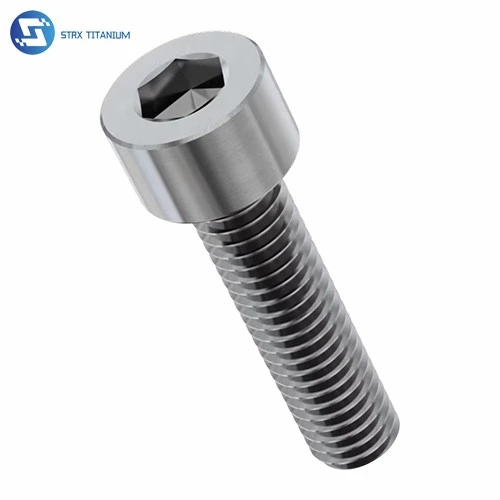
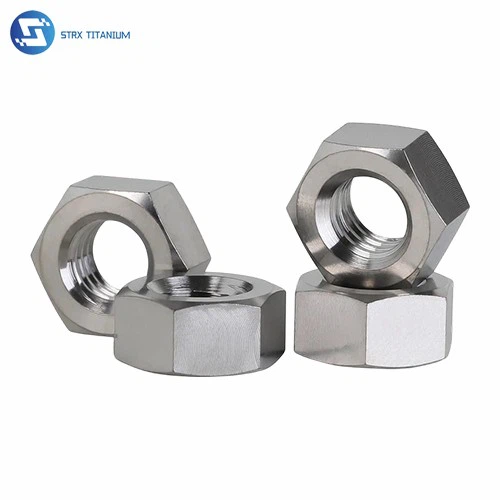
We also provide high - quality Titanium Nut and Titanium Screw options. Our nuts and screws are made from premium titanium materials and are available in different thread sizes and finishes to ensure a perfect fit for your specific application.
Contact Us for Procurement
If you are considering using titanium bolts in a high - vibration environment, we are here to help. Our team of experts can provide you with detailed technical information, product recommendations, and support to ensure you make the right choice for your project. Whether you are in the aerospace, automotive, marine, or any other industry, we have the expertise and products to meet your needs.
Feel free to reach out to us to discuss your requirements and start a procurement negotiation. We look forward to working with you to provide the best titanium bolt solutions for your high - vibration applications.
References
- ASM Handbook Committee. (2000). ASM Handbook Volume 2: Properties and Selection: Nonferrous Alloys and Special - Purpose Materials. ASM International.
- Shigley, J. E., Mischke, C. R., & Budynas, R. G. (2004). Mechanical Engineering Design. McGraw - Hill.
- Vibration Analysis for Machinery: A Practical Approach. (2009). Elsevier.