

Hey there, automotive enthusiasts and industry pros! I'm [your name], and I'm stoked to be part of the titanium bolts supply game. Today, we're diving deep into a hot topic: Can titanium bolts be used in automotive engines?
Let's start with the basics. Titanium is a super cool metal. It's got a high strength - to - weight ratio, which means it's strong as heck but also really light. In the automotive world, weight is a big deal. Every pound you can shave off an engine can improve performance, fuel efficiency, and handling.
When it comes to automotive engines, there are a ton of moving parts. Pistons are going up and down at crazy speeds, valves are opening and closing, and there's a whole lot of heat and pressure going on. That's where titanium bolts come in.
One of the biggest advantages of using titanium bolts in automotive engines is their weight. Compared to traditional steel bolts, titanium bolts can be up to 45% lighter. Imagine taking that weight off your engine. It's like putting your car on a diet! Less weight means less inertia, so the engine can rev up faster and respond more quickly. This can lead to better acceleration and overall performance.
Another great thing about titanium is its corrosion resistance. Automotive engines are exposed to all sorts of harsh conditions, including water, oil, and chemicals. Steel bolts can rust over time, which can weaken them and lead to failure. Titanium, on the other hand, is highly resistant to corrosion. This means that titanium bolts can last longer in the engine, reducing the need for frequent replacements.
But it's not all sunshine and rainbows. Titanium bolts do have some drawbacks. One of the main issues is their cost. Titanium is more expensive than steel, so titanium bolts will cost you more upfront. However, when you consider the long - term benefits, like better performance and longer lifespan, the extra cost might be worth it.
Another thing to keep in mind is that titanium has different mechanical properties compared to steel. Titanium is more elastic, which means it can stretch more under load. This can be a problem if the bolts aren't properly torqued. If you over - torque a titanium bolt, it can stretch too much and lose its clamping force. On the flip side, if you under - torque it, the bolt might come loose, which can be extremely dangerous in an engine. So, proper installation is crucial when using titanium bolts in automotive engines.
Now, let's talk about some specific applications of titanium bolts in automotive engines. In high - performance engines, like those found in race cars, titanium bolts are often used in critical areas. For example, they can be used to secure the cylinder head. The cylinder head is a vital part of the engine, and having strong, lightweight bolts holding it in place can improve the engine's efficiency and power output.
Titanium bolts can also be used in the valve train. The valve train controls the intake and exhaust of air and fuel in the engine. By using titanium bolts in the valve train, you can reduce the weight of the moving parts, which can improve the engine's responsiveness and allow it to rev higher.
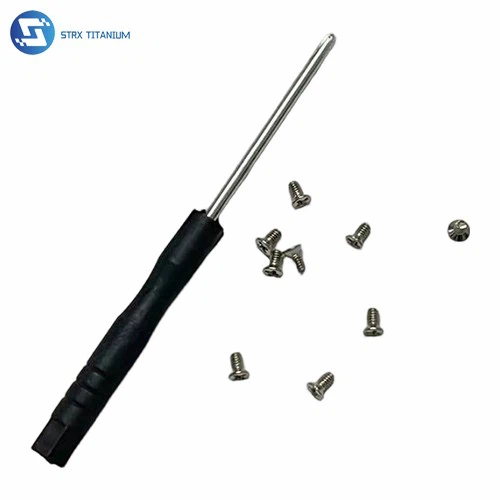
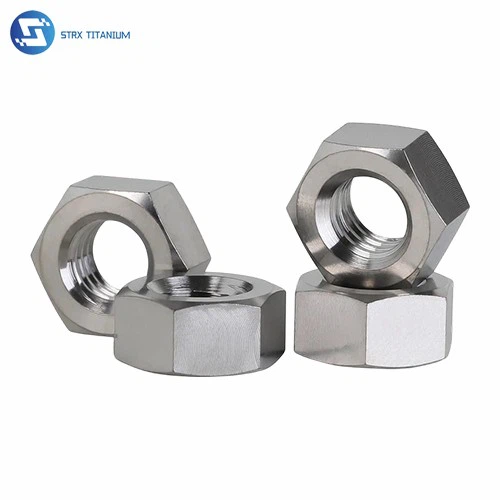
If you're thinking about using titanium bolts in your automotive engine, you might also be interested in other titanium fasteners. Check out our Titanium Nut, which can be used in conjunction with titanium bolts for a complete fastening solution. We also have Titanium Micro Mini Bolts Kits, which are perfect for small, precision applications in the engine. And don't forget about our Titanium Washer, which can help distribute the load evenly and prevent damage to the engine components.
So, can titanium bolts be used in automotive engines? The answer is a resounding yes! But it's important to understand the pros and cons and make sure you install them correctly. If you're in the market for high - quality titanium bolts or other titanium fasteners for your automotive engine, I'd love to chat with you. Whether you're a professional mechanic working on race cars or a DIY enthusiast looking to upgrade your daily driver, we've got the products and expertise to meet your needs.
If you have any questions, want to discuss your specific requirements, or are ready to place an order, don't hesitate to reach out. We're here to help you take your automotive engine to the next level with our top - notch titanium fasteners.
References:
- "Automotive Engine Design" by David Crolla
- "Materials Science and Engineering: An Introduction" by William D. Callister Jr. and David G. Rethwisch