

Hey there! I'm a supplier of forged titanium flanges, and I've seen firsthand how important it is to keep these bad boys in tip - top shape. Forged titanium flanges are used in a ton of industries, from aerospace to chemical processing, because of their strength, corrosion resistance, and lightweight properties. But like any piece of equipment, they need proper maintenance to perform at their best and last a long time. So, let's dive into how to maintain forged titanium flanges.
1. Regular Inspection
The first step in maintaining forged titanium flanges is regular inspection. You can't fix what you don't know is broken, right? I usually recommend inspecting your flanges at least once a month, but if they're in a high - stress or high - corrosion environment, you might want to do it more often.
When you're inspecting, look for signs of wear and tear. Check for cracks, which can be a real problem as they can lead to leaks and even failure of the flange. You can use a magnifying glass or a non - destructive testing method like ultrasonic testing to spot those tiny cracks. Also, look for any signs of corrosion. Titanium is pretty resistant to corrosion, but it's not completely immune, especially if it's exposed to certain chemicals or high - humidity environments.
Another thing to check is the gasket between the flanges. A damaged or worn - out gasket can cause leaks. Make sure it's in good condition and properly seated. If you notice any issues during your inspection, it's time to take action.
2. Cleaning
Cleaning your forged titanium flanges is crucial. Over time, dirt, debris, and chemical residues can build up on the surface of the flanges, which can lead to corrosion and other problems.
For general cleaning, you can use a mild detergent and warm water. Just soak a soft cloth in the soapy water and gently wipe down the flanges. Avoid using abrasive materials like steel wool, as they can scratch the titanium surface, which can make it more susceptible to corrosion.
If there are stubborn stains or chemical residues, you might need to use a specialized cleaning solution. But be careful! Make sure the cleaning solution is compatible with titanium. Some chemicals can react with titanium and cause damage. Always test the cleaning solution on a small, inconspicuous area first.
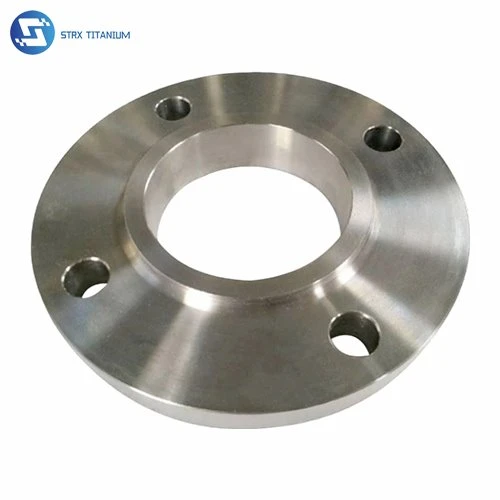

After cleaning, rinse the flanges thoroughly with clean water and dry them completely. Moisture left on the surface can lead to corrosion, so don't skip the drying step.
3. Lubrication
Lubrication is another important part of maintaining forged titanium flanges. Proper lubrication can reduce friction between the flanges and the bolts, making it easier to tighten and loosen them. It also helps prevent galling, which is when the metal surfaces stick together and damage each other.
When choosing a lubricant, make sure it's suitable for use with titanium. There are special titanium - compatible lubricants available on the market. Apply the lubricant to the bolt threads and the contact surfaces of the flanges before installation or when you're doing maintenance.
But don't over - lubricate. Too much lubricant can attract dirt and debris, which can cause problems down the line. Just apply a thin, even layer of lubricant.
4. Proper Installation
Proper installation is key to the long - term performance of forged titanium flanges. If they're not installed correctly, they're more likely to develop problems like leaks and premature wear.
First of all, make sure the flanges are properly aligned. Misaligned flanges can cause uneven stress, which can lead to cracks and leaks. Use alignment tools if necessary to ensure a perfect fit.
When tightening the bolts, follow the manufacturer's torque specifications. Over - tightening the bolts can damage the flanges, while under - tightening can cause leaks. Use a torque wrench to get the right amount of torque. Tighten the bolts in a criss - cross pattern to ensure even pressure distribution.
Also, make sure to use the right type of gasket. Different applications require different gaskets. For example, if you're dealing with high - pressure or high - temperature applications, you'll need a gasket that can withstand those conditions. You can find a variety of gaskets suitable for titanium flanges, such as Titanium Weld Neck Flange, Plate Ring Flange, and Titanium Slip On Flange.
5. Storage
If you're not using the forged titanium flanges right away, proper storage is important. Store them in a dry, clean place. Avoid storing them in areas with high humidity or where they can be exposed to chemicals.
You can also protect the flanges by covering them with a protective coating or wrapping them in a plastic film. This can prevent dust, dirt, and moisture from getting to the surface of the flanges.
If you're storing the flanges for a long time, it's a good idea to check on them periodically to make sure they're still in good condition.
6. Training and Education
Last but not least, make sure your staff is properly trained in maintaining forged titanium flanges. They need to know how to inspect, clean, lubricate, install, and store the flanges correctly.
Provide training sessions on a regular basis. You can also provide written manuals or guidelines for your staff to refer to. This will help ensure that everyone is on the same page when it comes to maintaining the flanges.
In conclusion, maintaining forged titanium flanges is a combination of regular inspection, cleaning, lubrication, proper installation, and storage. By following these steps, you can extend the lifespan of your flanges, reduce the risk of leaks and failures, and save money in the long run.
If you're in the market for high - quality forged titanium flanges or have any questions about their maintenance, feel free to reach out. I'm here to help you make the right choices for your business. Let's talk and see how we can work together to meet your needs.
References
- "Titanium: A Technical Guide" by John C. Williams
- Industry standards and guidelines for titanium flange maintenance.