

As a trusted titanium forging supplier, we often encounter inquiries regarding the hardness measurement of forged titanium products. Understanding the hardness of forged titanium is crucial as it directly impacts the performance, durability, and suitability of these products for various applications. In this blog, we will delve into the significance of hardness in forged titanium, explore different methods of measuring it, and discuss how these measurements can influence your purchasing decisions.
The Importance of Hardness in Forged Titanium
Hardness is a fundamental property of materials, representing their resistance to localized deformation, such as indentation, scratching, or abrasion. In the context of forged titanium, hardness plays a vital role in determining the material's ability to withstand wear, fatigue, and corrosion. For instance, in aerospace applications, where components are subjected to high-stress environments and extreme temperatures, high hardness is essential to ensure the structural integrity and reliability of the parts. Similarly, in the medical field, where titanium implants are used, appropriate hardness is necessary to prevent deformation and ensure long-term functionality.
Factors Affecting the Hardness of Forged Titanium
Several factors can influence the hardness of forged titanium. One of the primary factors is the alloy composition. Different titanium alloys have varying amounts of alloying elements, such as aluminum, vanadium, and molybdenum, which can significantly affect the material's hardness. For example, Ti-6Al-4V, one of the most widely used titanium alloys, has a relatively high hardness due to the presence of aluminum and vanadium.
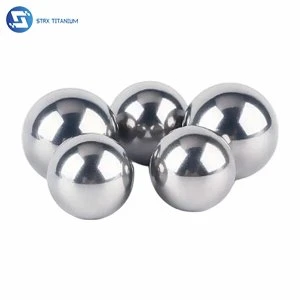

The forging process also plays a crucial role in determining the hardness of titanium. The temperature, pressure, and deformation rate during forging can all impact the microstructure of the material, which in turn affects its hardness. For instance, a higher forging temperature can lead to a coarser grain structure, resulting in lower hardness. On the other hand, a lower forging temperature can increase the hardness but may also reduce the material's ductility.
Methods of Measuring the Hardness of Forged Titanium
There are several methods available for measuring the hardness of forged titanium. Each method has its advantages and limitations, and the choice of method depends on various factors, such as the size and shape of the sample, the required accuracy, and the available equipment.
Brinell Hardness Test
The Brinell hardness test is one of the oldest and most widely used methods for measuring the hardness of metals. In this test, a hard steel or tungsten carbide ball is pressed into the surface of the sample under a specified load for a certain period. The diameter of the resulting indentation is then measured, and the Brinell hardness number (BHN) is calculated based on the load and the surface area of the indentation.
The Brinell hardness test is suitable for measuring the hardness of large and thick samples, as it provides a relatively large indentation that is easy to measure. However, it is not suitable for measuring the hardness of thin or small samples, as the indentation may be too large and cause damage to the sample.
Rockwell Hardness Test
The Rockwell hardness test is another commonly used method for measuring the hardness of metals. In this test, a diamond cone or a hardened steel ball is pressed into the surface of the sample under a minor load, followed by a major load. The difference in the depth of penetration between the minor and major loads is then measured, and the Rockwell hardness number (HR) is calculated based on this difference.
The Rockwell hardness test is quick and easy to perform, and it is suitable for measuring the hardness of a wide range of materials, including forged titanium. It is also less destructive than the Brinell hardness test, as it produces a smaller indentation. However, it may not be as accurate as the Brinell hardness test for measuring the hardness of very hard or very soft materials.
Vickers Hardness Test
The Vickers hardness test is a more precise method for measuring the hardness of metals. In this test, a square-based diamond pyramid is pressed into the surface of the sample under a specified load for a certain period. The diagonal length of the resulting indentation is then measured, and the Vickers hardness number (HV) is calculated based on the load and the surface area of the indentation.
The Vickers hardness test is suitable for measuring the hardness of small and thin samples, as it provides a very small indentation that causes minimal damage to the sample. It is also more accurate than the Brinell and Rockwell hardness tests, especially for measuring the hardness of hard and brittle materials. However, it is more time-consuming and requires more sophisticated equipment than the other two methods.
How Hardness Measurements Can Influence Your Purchasing Decisions
When purchasing forged titanium products, it is essential to consider the hardness requirements of your application. Different applications may require different levels of hardness, and choosing the right product with the appropriate hardness can ensure optimal performance and durability.
For example, if you are looking for a Titanium Alloy Forged Ring for a high-stress application, such as in the aerospace or automotive industry, you may need a ring with a high hardness to withstand the forces and pressures involved. On the other hand, if you are looking for a Polished Titanium Ball for a decorative or low-stress application, a lower hardness may be sufficient.
In addition to the hardness requirements, you should also consider the accuracy and reliability of the hardness measurements provided by the supplier. A reputable supplier should be able to provide detailed information about the hardness testing methods used, the test results, and the uncertainty of the measurements. This information can help you make an informed decision and ensure that you are getting a product that meets your specifications.
Conclusion
Measuring the hardness of forged titanium is an important aspect of ensuring the quality and performance of these products. By understanding the significance of hardness, the factors that affect it, and the different methods of measuring it, you can make more informed decisions when purchasing forged titanium products.
As a titanium forging supplier, we are committed to providing our customers with high-quality products that meet their specific requirements. We use advanced testing equipment and techniques to ensure the accuracy and reliability of our hardness measurements, and we are always happy to provide detailed information and technical support to our customers.
If you are interested in purchasing forged titanium products, such as Titanium Cake forgings, or if you have any questions about hardness measurement or other aspects of forged titanium, please feel free to contact us. We look forward to discussing your needs and providing you with the best solutions.
References
- ASM Handbook Volume 8: Mechanical Testing and Evaluation. ASM International.
- ASTM Standards for Hardness Testing of Metals. ASTM International.
- Callister, W. D., & Rethwisch, D. G. (2010). Materials Science and Engineering: An Introduction. Wiley.