

Hey there! As a forged titanium flange supplier, I've seen my fair share of issues when it comes to storage and rust prevention. Rust can be a real headache, not just for the appearance of the flanges but also for their performance and durability. In this blog, I'm gonna share some tips on how to prevent forged titanium flanges from rusting during storage.
First off, let's understand why titanium flanges might rust in the first place. Titanium is known for its excellent corrosion resistance, but under certain conditions, it can still be prone to rust. Factors like moisture, humidity, and exposure to certain chemicals can all contribute to the formation of rust. So, the key is to control these factors as much as possible during storage.
Choose the Right Storage Environment
The storage environment plays a crucial role in preventing rust. You want to find a place that's dry, well - ventilated, and away from direct sunlight. A warehouse with a controlled climate is ideal. If you don't have access to a climate - controlled warehouse, at least try to keep the flanges in an area where the humidity is low. High humidity can cause moisture to condense on the surface of the flanges, which is a breeding ground for rust.
For example, if you're storing the flanges in a shed, make sure there are no leaks in the roof or walls that could let water in. You can also use dehumidifiers to reduce the moisture level in the air. And don't stack the flanges too closely together. Good air circulation around each flange helps to keep the surface dry.
Clean the Flanges Before Storage
Before you put the forged titanium flanges into storage, it's important to clean them properly. Any dirt, debris, or contaminants on the surface can trap moisture and increase the risk of rust. You can use a mild detergent and a soft cloth to clean the flanges. Make sure to rinse them thoroughly with clean water and dry them completely.
Avoid using abrasive cleaners or tools that could scratch the surface of the titanium. Scratches can create weak points where rust can start to form. After cleaning, you can also apply a thin layer of a corrosion - inhibiting oil or coating. This provides an extra layer of protection against rust.
Use Protective Packaging
Proper packaging is another important step in preventing rust during storage. You can use plastic bags or wraps to cover the flanges. Make sure the packaging is sealed tightly to keep out moisture and dust. Some suppliers use special anti - rust paper or film that contains chemicals that inhibit rust formation. This can be a great option for long - term storage.
If you're shipping the flanges and then storing them, make sure the shipping containers are also clean and dry. You can line the containers with moisture - absorbing materials like silica gel packets. These packets can help to keep the air inside the container dry and prevent rust.
Inspect Regularly
Even if you've taken all the necessary precautions, it's still a good idea to inspect the flanges regularly during storage. Check for any signs of rust, such as discoloration or pitting on the surface. If you notice any rust starting to form, you can take action immediately.
You can use a non - destructive testing method to check the integrity of the flanges. For example, ultrasonic testing can detect any internal defects or corrosion that might not be visible on the surface. If you find any issues, you can decide whether to clean the flanges further, re - apply the protective coating, or take other corrective measures.
Different Types of Forged Titanium Flanges and Their Storage Considerations
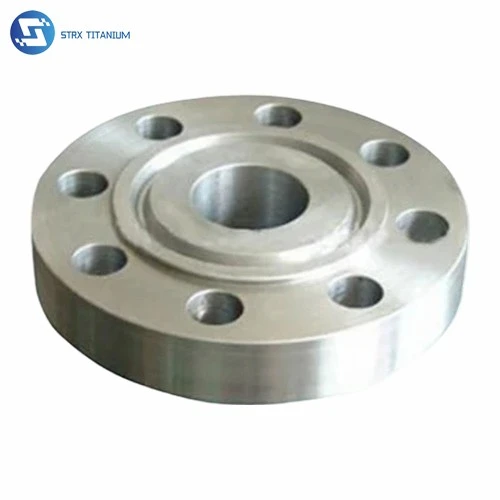
There are different types of forged titanium flanges, like Plate Welded Titanium Flange, Titanium Slip On Flange, and Titanium Ring Joint Flanges. Each type may have slightly different storage requirements.
Plate welded titanium flanges have a welded joint, which can be a potential area for rust if not properly protected. Make sure to clean the welded area thoroughly before storage and pay extra attention to this part during inspections.
Titanium slip - on flanges are designed to slide over the pipe, and they have a relatively smooth surface. However, the edges can still be vulnerable to rust. You can use edge protectors or wraps to prevent rust from starting at the edges.
Titanium ring joint flanges have a special sealing mechanism. When storing these flanges, make sure to protect the sealing surfaces. Any damage or rust on the sealing surfaces can affect the performance of the flange when it's installed.

Conclusion
Preventing forged titanium flanges from rusting during storage is all about taking a proactive approach. By choosing the right storage environment, cleaning the flanges, using protective packaging, and inspecting them regularly, you can significantly reduce the risk of rust.
If you're in the market for high - quality forged titanium flanges, we've got you covered. Our Plate Welded Titanium Flange, Titanium Slip On Flange, and Titanium Ring Joint Flanges are made with the best materials and manufacturing processes. We can also provide you with advice on how to store and maintain the flanges to ensure their long - term performance.
If you're interested in purchasing our forged titanium flanges or have any questions, feel free to reach out. We're always happy to help you with your procurement needs and ensure that you get the best products for your projects.
References
- "Corrosion Prevention in Metal Storage" - Industrial Metal Storage Handbook
- "Titanium: Properties and Applications" - Journal of Materials Science