

Hey there! As a supplier of polished titanium balls, I've had my fair share of chats with folks looking for the right materials for their projects. And let me tell you, polished titanium balls have some pretty awesome advantages over other materials. So, let's dive right in and check them out.
1. Lightweight but Strong
One of the first things you'll notice about polished titanium balls is how lightweight they are. Titanium has a low density compared to metals like steel or lead. But don't let that fool you – it's incredibly strong. In fact, titanium has a high strength - to - weight ratio, which means you get a material that can handle a lot of stress without adding a ton of extra weight.
This is a huge plus in industries like aerospace. When you're building an aircraft, every ounce matters. Using polished titanium balls instead of heavier alternatives can help reduce the overall weight of the aircraft, leading to better fuel efficiency and lower operating costs. And in the automotive industry, lighter parts can improve acceleration, braking, and handling.
2. Corrosion Resistance
Titanium is like a superhero when it comes to fighting off corrosion. When exposed to oxygen, it forms a thin, protective oxide layer on its surface. This layer acts as a shield, preventing the metal from reacting with corrosive substances such as water, acids, and salts.
In marine applications, for example, where equipment is constantly exposed to saltwater, using polished titanium balls can save you a lot of headaches. Traditional materials like steel would rust and deteriorate quickly in such an environment, but titanium balls can last for years without significant corrosion. This not only means less maintenance but also longer - lasting equipment.
3. Biocompatibility
If you're in the medical field, you know how important biocompatibility is. Polished titanium balls are highly biocompatible, which means they can be used in the human body without causing adverse reactions.
Titanium is commonly used in medical implants, such as joint replacements and dental implants. When polished into balls, they can be used in various medical devices. The body doesn't reject titanium, and it can integrate well with surrounding tissues over time. This makes it a safe and reliable choice for medical applications where the health and well - being of patients are at stake.
4. High Melting Point
Titanium has a relatively high melting point of around 1668°C (3034°F). This means that polished titanium balls can withstand high temperatures without deforming or losing their properties.
In high - temperature industrial processes, such as in the manufacturing of glass or in some chemical reactions, using titanium balls can be a game - changer. Other materials might melt or degrade at high temperatures, but titanium balls will hold up, ensuring the stability and efficiency of the process.
5. Aesthetic Appeal
Let's not forget about how good polished titanium balls look. The smooth, shiny surface gives them a sleek and modern appearance. Whether you're using them in decorative applications, like in jewelry or high - end consumer products, or in industrial settings where a professional look is desired, polished titanium balls can add a touch of class.
6. Low Friction
Polished titanium balls have low friction coefficients. This is beneficial in applications where smooth movement is required. For example, in ball bearings, low friction means less energy is wasted as heat, and the bearings can operate more efficiently. This leads to longer service life and reduced wear and tear on the equipment.

7. Cost - Effectiveness in the Long Run
While the initial cost of polished titanium balls might be higher than some other materials, they can actually be more cost - effective in the long run. Due to their durability, corrosion resistance, and low maintenance requirements, you'll save money on replacement parts and upkeep over time.
For instance, if you're using a material that corrodes quickly in a harsh environment, you'll have to replace it frequently. With titanium balls, you can install them and forget about them for a long time, which ultimately reduces your overall costs.
Applications and Related Products
Polished titanium balls have a wide range of applications, and they often work in conjunction with other titanium products. For example, in the manufacturing of machinery, you might use polished titanium balls along with Titanium Disc Forgings. These discs can be used as components in engines or other mechanical systems, and the combination of the balls and discs can enhance the performance and reliability of the machinery.
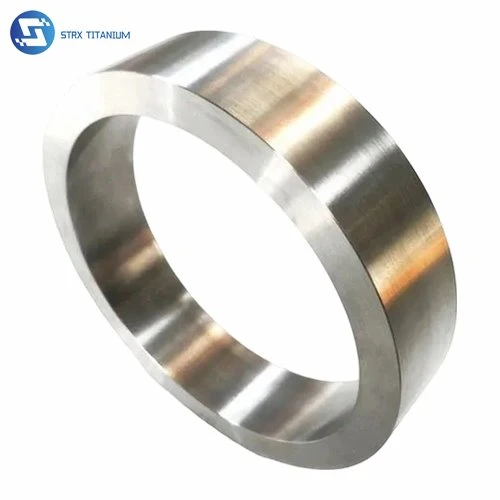
Another related product is the Titanium Alloy Forged Ring. These rings are commonly used in aerospace and automotive applications, and when paired with polished titanium balls, they can provide a high - performance solution for various mechanical assemblies.
In the aerospace industry, the AMS 4928 Titanium Alloy Forging Ring for Aerospace is a specialized product. It meets strict industry standards and can be used in critical aerospace components. Polished titanium balls can complement these forging rings, ensuring smooth operation and long - term reliability.
Wrapping Up and Reaching Out
So, there you have it – the many advantages of using polished titanium balls over other materials. Whether you're in aerospace, automotive, marine, medical, or any other industry, these balls can offer a unique combination of properties that make them a top choice.
If you're interested in learning more about our polished titanium balls or discussing how they can fit into your projects, I'd love to hear from you. Drop me a line, and we can start a conversation about your specific needs. Let's work together to find the best solution for your business.
References
- Callister, W. D., & Rethwisch, D. G. (2010). Materials Science and Engineering: An Introduction. Wiley.
- ASM Handbook Committee. (2000). ASM Handbook Volume 2: Properties and Selection: Nonferrous Alloys and Special - Purpose Materials. ASM International.