

As a seasoned supplier in the field of Titanium Ring Forging, I've encountered numerous inquiries regarding the electrical conductivity of forged titanium rings. This topic not only piques the curiosity of engineers and researchers but also holds significant importance for those in industries where electrical properties play a crucial role. In this blog, I'll delve into the intricacies of the electrical conductivity of forged titanium rings, exploring its influencing factors, applications, and how it compares to other materials.
Understanding Electrical Conductivity
Before we dive into the specifics of forged titanium rings, let's first understand what electrical conductivity is. Electrical conductivity is a measure of a material's ability to conduct an electric current. It is the reciprocal of electrical resistivity, which is a measure of how strongly a material opposes the flow of electric current. Conductivity is typically measured in siemens per meter (S/m) or mho per meter.
Electrical Conductivity of Titanium
Titanium is a transition metal known for its excellent strength - to - weight ratio, corrosion resistance, and biocompatibility. However, when it comes to electrical conductivity, titanium is not as conductive as some other metals like copper or aluminum. The electrical conductivity of pure titanium at room temperature is approximately 2.38×10⁶ S/m. This relatively low conductivity is due to its atomic structure and the way electrons interact within the material.
Factors Affecting the Electrical Conductivity of Forged Titanium Rings
- Alloying Elements: Forged titanium rings are often made from titanium alloys rather than pure titanium. Alloying elements such as aluminum, vanadium, and iron can significantly affect the electrical conductivity of the ring. For example, adding aluminum to titanium can increase its strength but may also slightly reduce its electrical conductivity. The presence of other elements can create lattice distortions, which impede the flow of electrons and thus lower the conductivity.
- Forging Process: The forging process can also have an impact on the electrical conductivity of titanium rings. During forging, the metal is subjected to high pressure and temperature, which can change its microstructure. A well - controlled forging process can result in a more uniform grain structure, which may enhance the electrical conductivity to some extent. On the other hand, improper forging conditions can lead to defects such as porosity or inclusions, which can reduce the conductivity.
- Heat Treatment: Heat treatment is another important factor. Annealing, quenching, and tempering can alter the mechanical and electrical properties of the forged titanium ring. Annealing, for instance, can relieve internal stresses and promote a more ordered atomic structure, potentially improving the electrical conductivity.
Applications Based on Electrical Conductivity
Despite its relatively low electrical conductivity compared to some metals, forged titanium rings find applications in various industries where a combination of electrical and other properties is required.
- Aerospace Industry: In aerospace, forged titanium rings are used in electrical systems where corrosion resistance and lightweight are essential. Although they may not be the primary conductors, they can be used in components where a certain level of electrical conductivity is needed along with high strength and resistance to harsh environmental conditions.
- Medical Industry: Titanium is biocompatible, making it suitable for medical implants. In some medical devices that require a small amount of electrical conductivity, such as certain types of sensors or electrodes, forged titanium rings can be used. The low conductivity can also be an advantage in some cases, as it can help prevent unwanted electrical interference.
- Electronics Industry: In electronics, titanium rings can be used in applications where a non - magnetic and corrosion - resistant conductor is needed. For example, they can be used in connectors or shielding components where a moderate level of electrical conductivity is sufficient.
Comparison with Other Materials
When compared to highly conductive metals like copper (electrical conductivity of about 5.96×10⁷ S/m) and aluminum (about 3.77×10⁷ S/m), titanium has a much lower conductivity. However, copper and aluminum are not as corrosion - resistant as titanium. In environments where corrosion is a major concern, such as marine or chemical processing industries, the lower conductivity of titanium may be an acceptable trade - off for its superior corrosion resistance.

Our Offerings as a Titanium Ring Forging Supplier
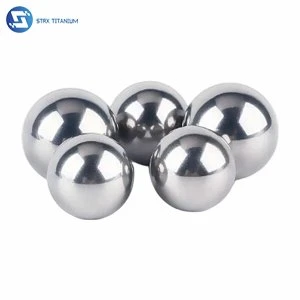
As a leading Titanium Ring Forging supplier, we take pride in our ability to produce high - quality forged titanium rings with consistent electrical properties. Our state - of - the - art forging facilities and experienced team ensure that each ring meets the strictest quality standards. We also offer a range of other titanium forging products, such as Polished Titanium Ball and Titanium Disc Forgings, which can be customized to meet your specific requirements.
Contact Us for Procurement
If you are in need of forged titanium rings or other titanium forging products, we invite you to contact us for procurement discussions. Our team of experts is ready to assist you in selecting the right product based on your electrical conductivity and other performance requirements. Whether you are in the aerospace, medical, or electronics industry, we have the solutions to meet your needs.
References
- Callister, W. D., & Rethwisch, D. G. (2018). Materials Science and Engineering: An Introduction. Wiley.
- ASM Handbook Committee. (2000). ASM Handbook Volume 2: Properties and Selection: Nonferrous Alloys and Special - Purpose Materials. ASM International.