

When it comes to plate ring flanges, one of the most frequently asked questions is: "How many bolts are typically used for a plate ring flange?" As a seasoned supplier of Plate Ring Flange, I've encountered this query countless times. In this blog post, I'll delve into the factors that determine the number of bolts used in a plate ring flange and provide some general guidelines.
Understanding Plate Ring Flanges
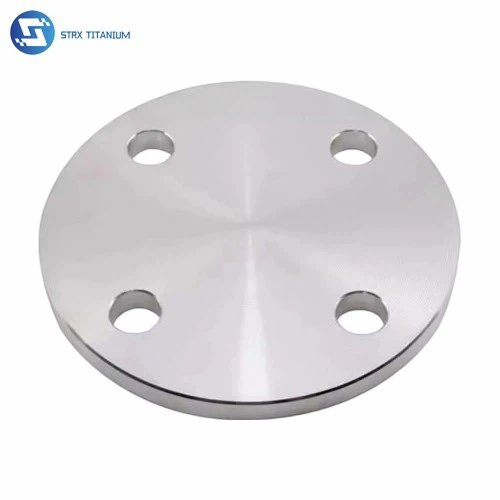
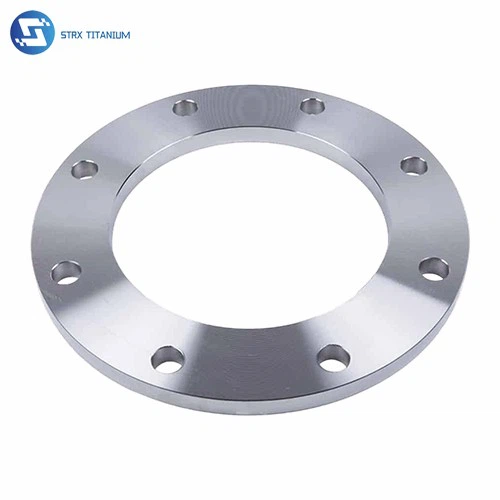
Before we discuss the number of bolts, let's briefly understand what a plate ring flange is. A plate ring flange is a type of flange that consists of a flat plate with a circular ring attached to it. It is commonly used in piping systems to connect pipes, valves, and other equipment. Plate ring flanges are available in various materials, including carbon steel, stainless steel, and Titanium Slip On Flange and Titanium Blind Flange, each offering different properties and advantages.
Factors Affecting the Number of Bolts
The number of bolts used in a plate ring flange is not a one - size - fits - all answer. It depends on several key factors:
1. Flange Size
The size of the flange is one of the primary determinants. Larger flanges require more bolts to ensure a proper seal and to distribute the load evenly. For example, a small - diameter plate ring flange, say 2 inches in diameter, may only need 4 bolts. In contrast, a large - diameter flange, such as a 24 - inch flange, could require 24 or more bolts. As the diameter of the flange increases, the circumference also increases, and more bolts are needed to maintain the integrity of the joint.
2. Pressure Rating
The pressure rating of the piping system is another crucial factor. Higher pressure systems demand more bolts to withstand the forces exerted on the flange joint. In a low - pressure system, fewer bolts may be sufficient to create a leak - tight seal. However, in a high - pressure application, such as in an oil refinery or a chemical plant, the number of bolts must be increased to prevent the flange from separating under pressure. For instance, a flange with a pressure rating of 150 psi might use a different number of bolts compared to a flange rated at 600 psi.
3. Material and Temperature
The material of the flange and the operating temperature also play a role. Different materials have different mechanical properties, and some may require more bolts to achieve the same level of performance. For example, a titanium plate ring flange may have different bolt requirements compared to a carbon steel flange due to the unique properties of titanium, such as its high strength - to - weight ratio. Additionally, high - temperature applications can cause materials to expand, which may necessitate more bolts to maintain a tight seal.
4. Industry Standards
Industry standards, such as those set by the American National Standards Institute (ANSI) or the International Organization for Standardization (ISO), provide guidelines on the number of bolts for different flange sizes and pressure ratings. These standards ensure that flanges are designed and installed in a safe and consistent manner across various industries. For example, ANSI B16.5 is a widely used standard in the United States for pipe flanges and flanged fittings, which specifies the number of bolts based on flange size and pressure class.
General Guidelines for Bolt Quantity
While the exact number of bolts can vary based on the factors mentioned above, here are some general guidelines:
- Small - sized flanges (up to 4 inches): Typically, these flanges use 4 to 8 bolts. For example, a 2 - inch flange may use 4 bolts, while a 4 - inch flange might use 8 bolts.
- Medium - sized flanges (4 to 12 inches): Flanges in this size range usually require 8 to 16 bolts. A 6 - inch flange may have 12 bolts, and a 10 - inch flange could use 16 bolts.
- Large - sized flanges (12 inches and above): These flanges often need 16 or more bolts. A 14 - inch flange may use 20 bolts, and a 24 - inch flange can have 24 or more bolts.
It's important to note that these are just rough estimates, and it's always best to refer to the relevant industry standards and engineering calculations for a specific application.
Importance of Correct Bolt Quantity
Using the correct number of bolts is crucial for the proper functioning of a plate ring flange. If too few bolts are used, the flange may not be able to withstand the pressure and forces in the piping system, leading to leaks or even catastrophic failures. On the other hand, using too many bolts can be over - engineering, which increases costs and may make installation more difficult.
Installation Considerations
When installing a plate ring flange, it's not just about the number of bolts but also about the proper installation technique. The bolts should be tightened evenly in a criss - cross pattern to ensure uniform pressure distribution across the flange. This helps to prevent uneven stress on the gasket and ensures a leak - tight seal.
Conclusion
In conclusion, the number of bolts used for a plate ring flange depends on multiple factors, including flange size, pressure rating, material, temperature, and industry standards. As a Plate Ring Flange supplier, I understand the importance of providing accurate information and high - quality products to our customers.
If you're in the market for plate ring flanges or have questions about the number of bolts for your specific application, I encourage you to reach out. Our team of experts is ready to assist you in selecting the right flange and ensuring that it meets your requirements. Whether you need Titanium Slip On Flange or Titanium Blind Flange, we have the knowledge and products to serve you. Contact us today to start a discussion about your procurement needs.
References
- American National Standards Institute (ANSI) B16.5 - Pipe Flanges and Flanged Fittings
- International Organization for Standardization (ISO) standards related to flanges
- Engineering handbooks on piping systems and flange design