

From Electric Supercar to Aerospace-Inspired Vehicle
On October 15, 2026, Tesla unveiled a redesigned second-generation Roadster in Texas, drawing worldwide attention with a dramatic demonstration involving inverted driving, brief airborne maneuvers and mid-air rotation. Developed with SpaceX-related propulsion technology, the new Roadster represents an ambitious attempt to bring aerospace-inspired engineering into a high-performance electric sports car.
Tesla's official Roadster website highlights several advanced technologies, including active aerodynamics, a multi-mode suction system and cold-gas thrusters. The company also identifies magnesium, titanium and carbon fiber as part of its lightweight, high-strength material strategy.
The Roadster is more than an electric performance vehicle. It is a showcase for automotive lightweighting, aerospace-derived materials, advanced propulsion systems and multi-material engineering.
However, it is important to distinguish the demonstrated vehicle from a fully validated production specification. Tesla has not publicly disclosed a complete material-by-component breakdown or confirmed the titanium alloy grades used in every reported application.
1. Why Titanium Matters in the Roadster's Lightweighting Strategy
In its official "Mass Control" section, Tesla states that the Roadster uses lightweight, high-strength materials, including magnesium, titanium and carbon fiber, to reduce mass and improve vehicle responsiveness.
Titanium is particularly attractive when engineers need to balance several demanding requirements:
High strength-to-weight ratio
Excellent corrosion resistance
Performance under demanding temperature conditions
Compatibility with advanced aerospace manufacturing processes
Potential for weight reduction in highly loaded components
Titanium is not necessarily the lowest-cost material for every automotive component. Its value comes from using it selectively where its properties can justify the material and manufacturing cost.
In a high-performance vehicle, reducing mass in the right location can help engineers manage acceleration, braking, suspension response and overall vehicle dynamics. The engineering objective is not simply to replace steel with titanium everywhere, but to select the best material for each component's load, environment and manufacturing requirements.
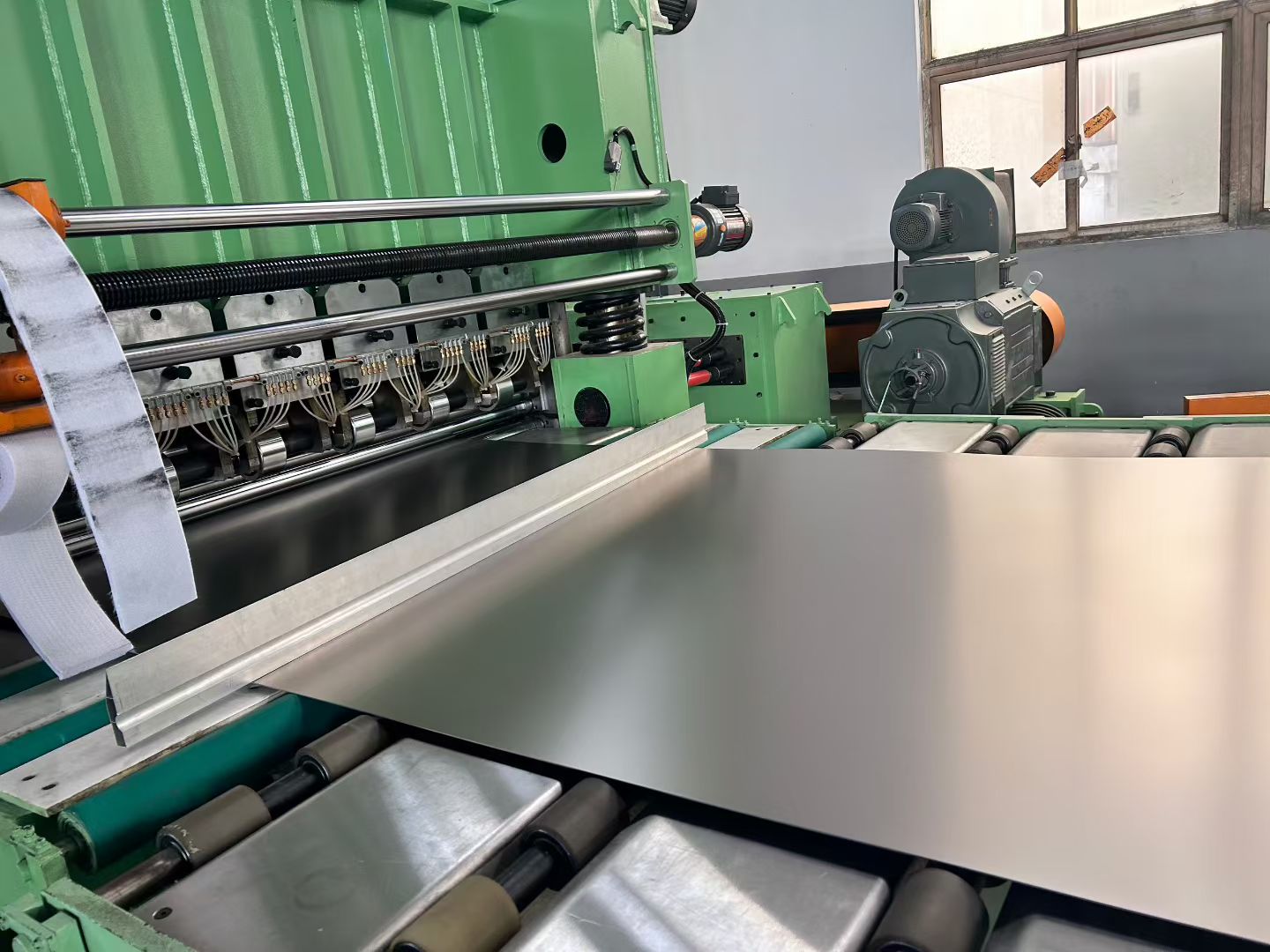
2. Titanium in a Battery Pack: Lightweight Sheet and Structural Design
Some reports and technical discussions surrounding the Roadster have referred to titanium sheet in battery-pack-related applications. Tesla's public website, however, does not provide a verified bill of materials confirming a titanium battery-pack cover.
If titanium sheet is selected for a battery enclosure or cover, the engineering priorities would include:
Low sheet thickness with sufficient stiffness
Formability and dimensional consistency
Weldability and joining-process compatibility
Low residual stress after forming
Corrosion resistance in service
Reliable sealing and crash-performance validation
Which titanium grades could be considered?
Grade 1 titanium offers excellent formability and relatively low strength. It may be considered for highly formable, corrosion-resistant sheet applications where structural strength requirements are moderate.
Grade 2 titanium provides a useful balance of strength, formability, weldability and corrosion resistance. It is a widely used commercially pure titanium grade for industrial sheet and plate applications.
Grade 5 titanium (Ti-6Al-4V) offers substantially higher strength than commercially pure titanium and is widely used in aerospace and high-performance engineering. It may be considered for highly loaded components where weight and strength are critical, although its forming and fabrication costs are higher.
The final choice would depend on the required thickness, stiffness, forming geometry, joining method, fatigue performance and applicable design standards. A titanium cover would also need to be evaluated as part of the complete battery enclosure, rather than as an isolated material substitution.


3. Cold-Gas Thrusters: Titanium Tubing and Precision Components
The Roadster's cold-gas propulsion concept has attracted considerable attention because it introduces aerospace-style thrust systems into a vehicle platform.
Tesla describes cold-gas thrusters on its official Roadster page. The company's Rocket configuration is presented as a specialized version with additional propulsion capability and is not approved for public-road use.
For a high-pressure gas system, the material selection process must consider more than tensile strength. Engineers need to evaluate:
Pressure and proof-test requirements
Fatigue under pressure cycling
Temperature and thermal cycling
Gas compatibility and cleanliness
Joining and inspection requirements
Dimensional accuracy and leak-tightness
Titanium tubing may be attractive where low mass, corrosion resistance and strength are important. However, the appropriate grade depends on the actual pressure, wall thickness, temperature and design code.
Titanium grades for tubing and pressure-related applications
Grade 2 titanium is a commercially pure grade with good corrosion resistance and weldability. It is often selected for fluid-handling and industrial applications where corrosion resistance is more important than maximum strength.
Grade 9 titanium (Ti-3Al-2.5V) is an alpha-beta alloy known for its useful combination of strength, formability and suitability for tubing. It is widely associated with aerospace hydraulic tubing and can be a candidate for lightweight tubular structures when the design specification permits.
Grade 5 titanium (Ti-6Al-4V) provides high strength and is commonly used in aerospace structural applications. It may be considered for selected high-load components, fittings or machined parts, subject to pressure-system qualification and the required product form.
A critical engineering point: a titanium grade should never be selected for a high-pressure gas line based on strength-to-weight ratio alone. The full system must be qualified for pressure, fatigue, burst performance, joining integrity and service conditions.

4. Titanium Nozzles vs. Nickel-Based Superalloys
The Roadster's propulsion system has also prompted discussion about the use of titanium in nozzle and gas-path components. Tesla's public materials do not confirm the specific alloy used for each nozzle or branch pipe.
From a materials-engineering perspective, titanium and nickel-based superalloys serve different roles.
Titanium alloys are attractive when low density and high specific strength are priorities. They can be useful in selected cold-gas system components where the temperature and environment are compatible with titanium.
Nickel-based superalloys, such as Inconel alloys, are often preferred for components exposed to substantially higher temperatures, oxidation or demanding hot-gas environments.
This distinction matters because a cold-gas thruster is not the same as a combustion rocket engine. A cold-gas system uses stored compressed gas, while a chemical rocket engine produces hot combustion gases. Material selection must follow the actual gas temperature, pressure, exposure time and thermal gradient.
For high-temperature propulsion hardware, Inconel 718 or other qualified nickel-based alloys may be considered where elevated-temperature strength and creep resistance are required. Titanium should not be assumed to be the best choice for every nozzle simply because it is lightweight.
5. Titanium Grade Comparison for Automotive and Aerospace-Inspired Applications
|
Titanium grade |
Main characteristics |
Potential engineering use |
|
Grade 1 |
Lowest strength among common CP grades; excellent formability |
Highly formable sheet, corrosion-resistant parts |
|
Grade 2 |
Balanced strength, formability and corrosion resistance |
Sheet, plate, tubing and general industrial components |
|
Grade 5 / Ti-6Al-4V |
High strength; widely used aerospace alloy |
Structural parts, machined components, high-load applications |
|
Grade 9 / Ti-3Al-2.5V |
Good strength-formability balance; useful for tubing |
Lightweight tubing and formed structures |
|
Grade 23 / Ti-6Al-4V ELI |
Extra-low interstitial version of Grade 5; improved fracture toughness in specified conditions |
Medical and specialized low-temperature applications where specified |
Grade 23 should not automatically be treated as an upgrade to Grade 5 for automotive use. Its extra-low interstitial chemistry is particularly relevant to medical and fracture-toughness requirements, but it may not offer a cost or performance advantage for every automotive component.
For a commercial automotive project, the correct grade must be selected according to the design specification, product form, mechanical-property requirements, manufacturing route and qualification plan.
6. Titanium, Magnesium and Carbon Fiber: A Multi-Material Lightweighting Strategy
The Roadster's material strategy reflects a broader automotive trend: combining different materials rather than relying on a single lightweight metal.
Carbon fiber reinforced polymer (CFRP) offers very low density and high specific stiffness, making it attractive for body panels and selected structural applications. Its challenges include cost, repairability, joining and production-cycle time.
Magnesium alloys are among the lightest structural metals and can be attractive for selected cast or formed components. Their use requires careful consideration of corrosion protection, joining and manufacturing controls.
Titanium alloys provide high specific strength, corrosion resistance and useful performance in demanding environments. Their higher raw-material and processing costs make them more suitable for targeted applications rather than widespread substitution.
The most effective lightweighting strategy is therefore a multi-material design approach: carbon fiber where stiffness and mass reduction dominate, magnesium where low-density metal components are practical, and titanium where strength, durability and environmental performance justify the cost.
7. Manufacturing Challenges: From Titanium Mill Products to Precision Automotive Parts
The potential use of titanium in advanced vehicles also highlights the importance of manufacturing capability across the supply chain.
Titanium processing can involve several demanding steps:
High-quality sponge, melting and ingot production
Controlled forging and rolling
Precision sheet or tube manufacturing
Forming and machining
Welding or other qualified joining processes
Surface treatment and cleaning
Non-destructive testing and dimensional inspection
Traceability and final quality documentation
For thin titanium sheet, important requirements may include thickness tolerance, flatness, surface quality, formability and residual-stress control.
For titanium tubing, buyers may focus on outside diameter, wall thickness, ovality, straightness, surface condition, mechanical properties and inspection requirements.
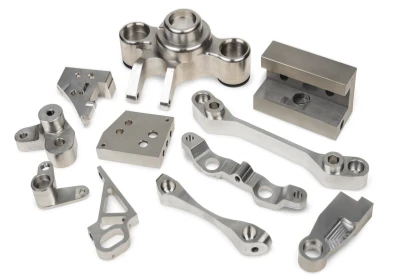
For machined titanium components, the key challenges include tool wear, heat management, dimensional stability, surface finish and process repeatability.
These requirements are closely related to aerospace manufacturing practices, where material traceability, process qualification and inspection documentation are essential.
8. The Wider Market: Titanium Beyond Aerospace
Historically, major titanium demand has come from aerospace, chemical processing, marine engineering and medical applications.
The next generation of high-performance vehicles may create additional opportunities in specialized automotive components, particularly where lightweighting and high-performance engineering are central to product value.
Potential application areas include:
High-performance exhaust systems
Lightweight suspension components
Specialty fasteners
Precision tubing and fittings
High-strength machined components
Motorsport and limited-production hypercars
Aerospace-derived mobility systems
The opportunity should not be overstated. Titanium remains more expensive than many conventional automotive materials, and high-volume vehicle manufacturing requires tight control of cost, cycle time, yield and supply reliability.
The Roadster is best understood as a technology showcase that may help demonstrate where aerospace materials can create value in specialized automotive applications.
9. What Could Drive Future Titanium Demand?
The long-term growth of titanium in advanced mobility will depend on more than material properties.
Key factors include:
Lower-cost titanium alloy development
Improved near-net-shape manufacturing
More efficient machining and forming
Reliable welding and joining processes
Better material utilization and scrap recycling
Stable global supply chains
Qualification and certification for new applications
As electric vehicles, hydrogen systems and aerospace-derived technologies continue to develop, titanium suppliers may find new opportunities in precision components and engineered material solutions.
However, widespread adoption will depend on whether titanium can deliver measurable system-level benefits at a commercially acceptable cost.
Conclusion: Titanium's Next Chapter in Advanced Mobility
Tesla's next-generation Roadster highlights the growing intersection of electric vehicle engineering, aerospace technology and advanced lightweight materials.
Titanium's potential role in battery-related structures, precision tubing and selected propulsion components illustrates why engineers continue to evaluate the metal for demanding applications.
The future of automotive titanium will not be determined by headlines alone. It will depend on material quality, manufacturing efficiency, component qualification, cost control and supply-chain reliability.
For titanium manufacturers and suppliers, the opportunity is clear: develop materials and precision products that meet the demanding requirements of next-generation mobility-not simply offer a metal, but deliver a qualified engineering solution.
Frequently Asked Questions
Why might titanium be used in a high-performance electric vehicle?
Titanium offers a high strength-to-weight ratio and excellent corrosion resistance. It may be selected for specific components where reducing mass and maintaining strength are important.
Which titanium grade is suitable for automotive tubing?
Grade 9 (Ti-3Al-2.5V) is commonly associated with lightweight tubing applications because of its useful strength and formability balance. Grade 2 and Grade 5 may also be considered depending on the design and specification.
Is Grade 5 titanium always better than Grade 2?
No. Grade 5 provides higher strength, but Grade 2 offers good formability, corrosion resistance and weldability. The best grade depends on the component's requirements and total manufacturing cost.
Is titanium confirmed for the Tesla Roadster 2 battery cover and thruster nozzles?
Tesla's public Roadster materials mention titanium as part of the vehicle's lightweight material strategy, but they do not provide a verified component-by-component alloy list. Specific claims about the battery cover, tubing or nozzle materials should be confirmed through official technical documentation.
Will electric vehicles create a major new titanium market?
They may create additional demand in specialized high-performance applications. Large-scale adoption will depend on cost reduction, manufacturing efficiency, qualification and supply-chain stability.
STRX TITANIUM | Titanium Materials for Advanced Engineering
STRX Titanium supplies titanium and titanium alloy materials for industrial, aerospace-inspired and precision manufacturing applications.
Our product range includes:
Titanium sheets and plates
Titanium bars and rods
Titanium tubes and pipes
Titanium wires
Titanium forgings
Titanium fasteners
CNC titanium machined components
We support customized dimensions, cut-to-size requirements and non-standard product inquiries, subject to technical feasibility and specification review.
For titanium material inquiries, please provide the required grade, standard, product form, dimensions, quantity and application.
Contact STRX Titanium
Website: https://www.strx-titanium.com/
Email: info@strx-titanium.com
Your titanium material partner for precision manufacturing and advanced engineering.