


STRX TITANIUM supplies Grade 12 titanium bars manufactured from Ti-0.3Mo-0.8Ni alloy, also known as UNS R53400. This titanium alloy contains controlled additions of molybdenum and nickel to improve corrosion resistance, particularly resistance to crevice corrosion in chloride-containing environments.
Grade 12 titanium bar is commonly specified for chemical processing equipment, heat exchangers, pressure vessels, marine engineering and other industrial applications where corrosion resistance, weldability and mechanical strength are important.
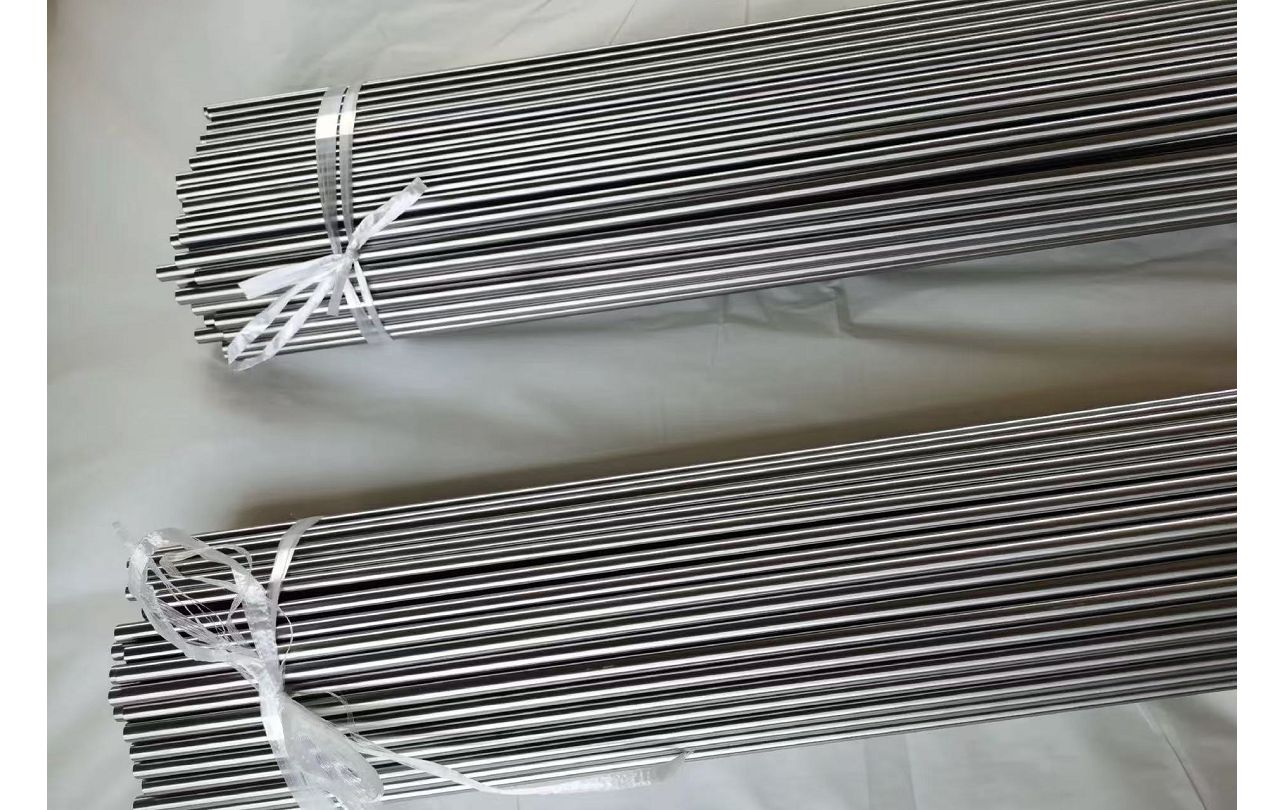
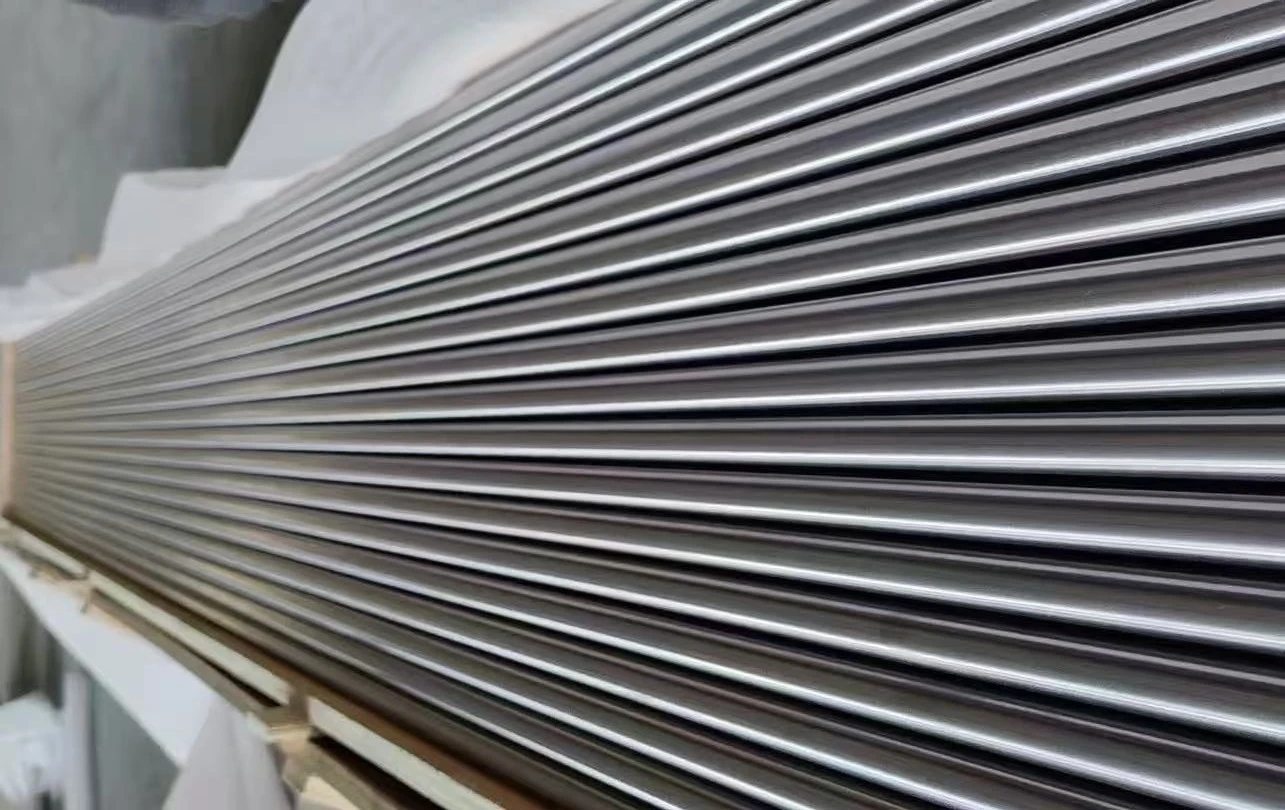
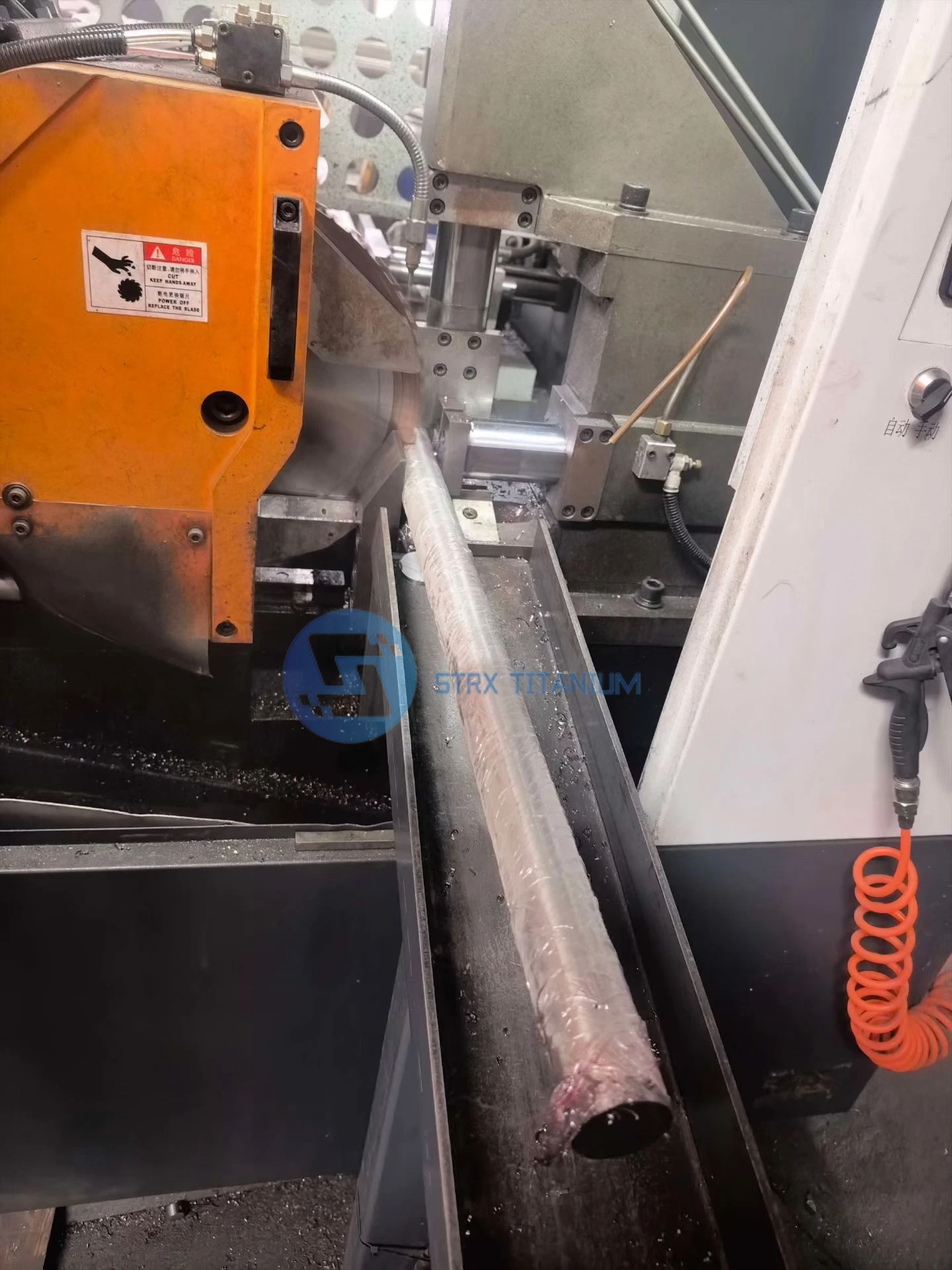
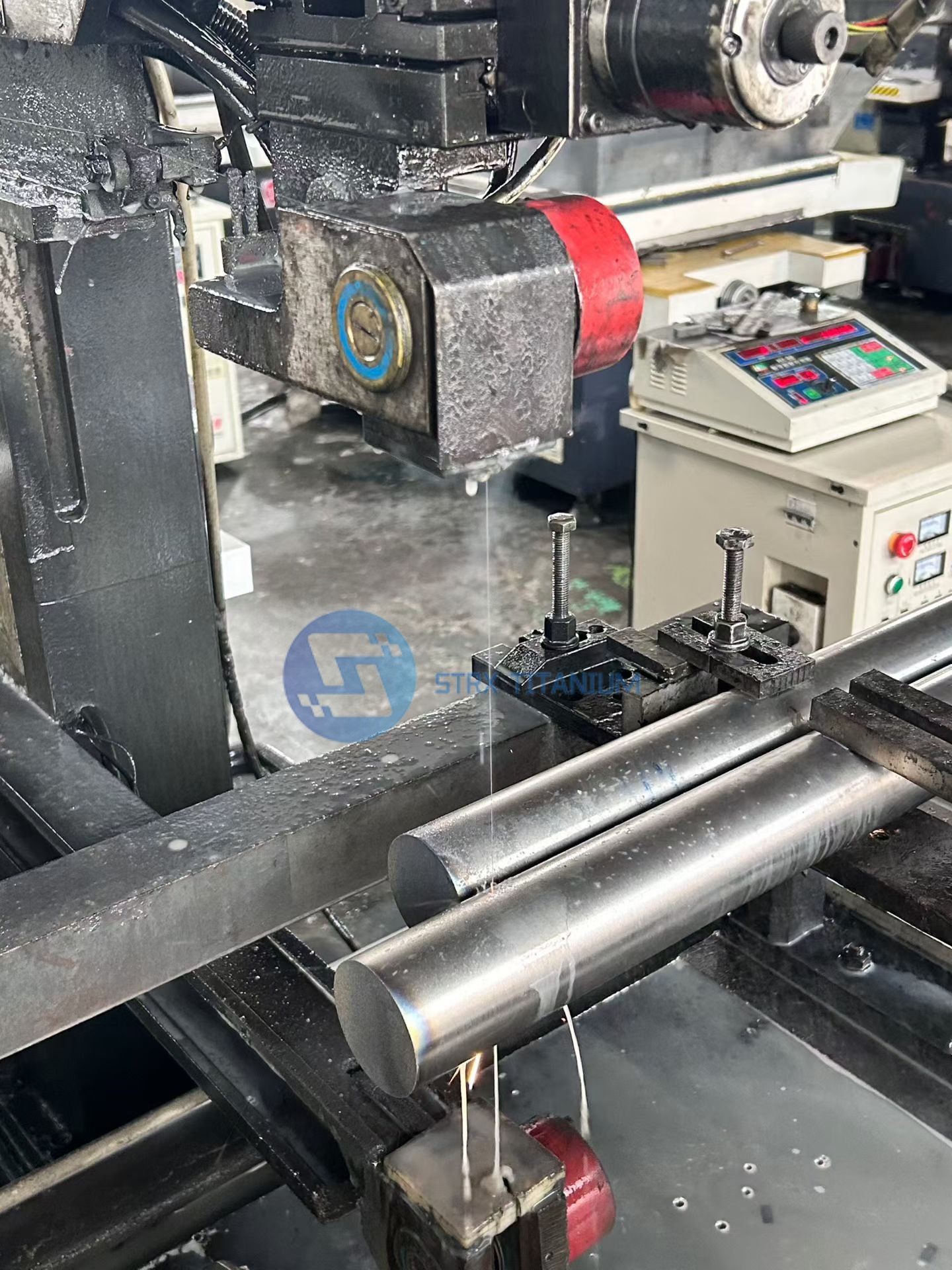
STRX offers Grade 12 titanium alloy bars in round, square, rectangular, hexagonal and flat profiles, with diameters from 1–100 mm and lengths up to 6000 mm. Custom dimensions, surface finishes and cutting services are available according to project requirements.
What Is Grade 12 Titanium Alloy?
Grade 12 titanium is a corrosion-resistant titanium alloy containing approximately 0.3% molybdenum and 0.8% nickel. Its UNS designation is R53400, and its chemical composition is defined by applicable titanium product standards.
Compared with commercially pure titanium grades, the addition of molybdenum and nickel improves resistance to crevice corrosion and provides higher mechanical strength. These characteristics make Grade 12 suitable for equipment exposed to aggressive process fluids, chloride-containing solutions and demanding industrial operating conditions.
The alloy also offers good weldability and formability, allowing it to be processed into bars and machined components for industrial equipment manufacturing.
Grade 12 Titanium Bar Specifications
| Item | Specification |
|---|---|
| Product Name | Grade 12 Titanium Bar / Rod |
| Material Grade | Grade 12 |
| UNS Number | R53400 |
| Alloy Composition | Ti-0.3Mo-0.8Ni |
| Applicable Standard | ASTM B348 / B348M |
| Diameter | 1–100 mm |
| Length | Up to 6000 mm |
| Shapes | Round, Square, Rectangular, Hexagonal, Flat |
| Surface Finish | Bright, Polished, Black |
| Manufacturing Processes | Forging, Hot Rolling, Cold Working |
| Heat Treatment | Annealed / [NEED VERIFICATION] |
| Inspection Documents | Mill Test Certificate (MTC), Chemical Analysis Report |
| Third-Party Inspection | Available upon request |
| Customization | Dimensions, cutting length and surface finish |
Dimensions and available profiles are subject to production capability and order requirements. Confirm the required size, tolerance and delivery condition before ordering.
Products Description
Chemical Composition of Grade 12 Titanium Bar
The chemical composition of Grade 12 titanium alloy bar is Ti-0.3Mo-0.8Ni, with titanium accounting for approximately 99% of the content, supplemented by controlled additions of molybdenum and nickel. Molybdenum enhances the alloy's high-temperature strength and thermal stability, while nickel improves its corrosion resistance.
Chemical Composition (Weight % Max. unless noted)
|
C |
N |
O |
H |
Ni |
Fe |
Mo |
Ti |
|
0.08 |
0.03 |
0.25 |
0.015 |
0.60-0.90 |
0.30 |
0.2-0.4 |
Balance |
The chemical composition is based on commonly specified Grade 12 requirements. Actual acceptance shall follow the applicable ASTM B348/B348M edition and the material test certificate.
Mechanical Properties of Grade 12 Titanium Bar
Grade 12 titanium alloy bar exhibits excellent mechanical properties, achieving tensile strengths up to 1200 MPa and yield strengths greater than 1100 MPa. It also maintains superior mechanical properties at elevated temperatures, with tensile strength reaching 900 MPa at 400°C.
| Mechanical Property | Minimum Requirement |
|---|---|
| Tensile Strength | 483 MPa |
| Yield Strength (0.2% Offset) | 345 MPa |
| Elongation | 18% |
| Reduction of Area | 25% |
Reference values for annealed Grade 12 bar under applicable dimensional and testing conditions. Final acceptance requirements must be checked against the specified ASTM B348/B348M edition, product dimensions and delivery condition.
Physical Properties of Grade 12 Titanium Alloy
| Property | Typical Value |
|---|---|
| Density | 4.5 g/cm³ |
| Elastic Modulus | Approximately 105 GPa |
| Thermal Conductivity | Approximately 22.6 W/(m·K) |
| Specific Heat Capacity | Approximately 520 J/(kg·K) |
Physical properties are typical reference values and are not substitutes for design allowables or product-specific test results.
Corrosion Resistance And Performance Characteristics
Grade 12 titanium alloy is designed for applications where commercially pure titanium may not provide sufficient resistance to localized corrosion.
1. Improved Crevice Corrosion Resistance
The combined addition of molybdenum and nickel improves the alloy's resistance to crevice corrosion, particularly in chloride-containing environments. This is an important consideration for heat exchangers, process equipment and components exposed to stagnant or restricted-flow conditions.
2. Good Resistance to Industrial Corrosion
Grade 12 provides good corrosion resistance in various oxidizing and mildly reducing chemical environments. Its suitability depends on the chemical concentration, temperature, flow conditions and presence of contaminants. Process-specific corrosion assessment is recommended before material selection.
3. Good Weldability
Grade 12 titanium alloy has good weldability when appropriate titanium welding procedures and shielding protection are used. Proper protection of the weld area and heat-affected zone is essential to prevent contamination during welding.
4. Strength at Elevated Temperatures
Grade 12 offers useful mechanical strength in certain elevated-temperature service environments. Allowable operating temperatures and design stresses should be established using the applicable engineering code and material design data rather than general tensile strength figures.
Related Titanium Products
STRX TITANIUM supplies titanium bars, rods and plates in different grades and product forms to meet various industrial requirements. Depending on your application, you can also explore the following titanium products:
Grade 12 Titanium Plate
For projects requiring the same Grade 12 alloy in plate form, explore our Grade 12 Titanium Alloy Plate manufactured to ASTM B265 requirements.
Grade 11 Titanium Round Bar
If your application requires palladium-enhanced corrosion resistance, consider our Grade 11 Titanium Round Bar and compare the material requirements for your operating environment.
Grade 6 Ti-5Al-2.5Sn Titanium Bar
For applications requiring a titanium alloy with aluminum and tin additions, see our Grade 6 Ti-5Al-2.5Sn Titanium Bar.
Titanium Square Rod
For components requiring a square cross-section instead of round bar stock, explore our Titanium Square Rod available in multiple titanium grades.
Manufacturing Process Of Grade 12 Titanium Bars
STRX Grade 12 titanium bars can be processed through suitable hot-working and cold-working operations according to the required dimensions and product condition.
Forging
Titanium alloy billets are heated and forged to obtain the required bar dimensions and internal structure. Forging parameters are controlled according to the alloy and production requirements.
Hot Rolling
Hot rolling reduces the billet cross-section and produces the required bar profile. This process is commonly used for manufacturing titanium bar stock in different diameters.
Cold Working
Cold working can be used for dimensional adjustment and surface improvement where required. The processing route depends on the target dimensions and material condition.
Heat Treatment and Surface Finishing
Annealing or other specified heat treatments may be applied to achieve the required material condition. Final surface finishing may include machining, grinding, polishing or other agreed treatments
Quality Inspection And Documentation
STRX TITANIUM supports material verification and quality inspection according to agreed purchase specifications.
Available quality documentation and inspection arrangements may include:
- Mill Test Certificate (MTC)
- Chemical composition analysis
- Tensile property test reports
- Dimensional inspection records
- Surface condition inspection
- Third-party inspection upon request
Material grade, applicable standard, heat number and inspection requirements should be confirmed before production to ensure traceability between the ordered material and its inspection documents.
Applications Of Grade 12 Titanium Bars
Grade 12 titanium bars are used in industrial applications where corrosion resistance, weldability and mechanical reliability are required.
Chemical Processing Equipment
Used for machined components, equipment parts, fasteners and other components exposed to corrosive process media.
Heat Exchangers and Pressure Vessels
Suitable for selected components in heat exchange systems and pressure equipment, subject to applicable design codes and service conditions.
Marine Engineering
Used in selected marine components and equipment exposed to chloride-containing environments and seawater-related corrosion conditions.
Hydrometallurgical Equipment
Applied in selected components used in mineral processing and hydrometallurgical systems where corrosion resistance is a material selection consideration.
Industrial Machined Components
Grade 12 round bars and custom profiles can be machined into shafts, fittings, connectors and equipment components according to engineering drawings.
Key Advantages
Grade 12 titanium alloy offers extensive application advantages across multiple sectors due to its exceptional properties:
Corrosion Resistance: The alloy provides excellent corrosion resistance, particularly in acidic, alkaline, chloride, and high-temperature environments, making it suitable for chemical processing, marine, oil, and gas industries.
High Strength: Grade 12 titanium alloy offers higher strength than pure titanium, making it ideal for applications requiring high strength-to-weight ratios, such as aerospace components, medical devices, and heat exchangers.
Processability: This alloy demonstrates good weldability, machinability, and formability, enabling the manufacture of complex shapes such as piping, valves, heat exchangers, and medical implants.
Cost-Effectiveness: Compared to pure titanium, Grade 12 titanium alloy offers superior performance at a lower cost, providing an excellent value proposition.
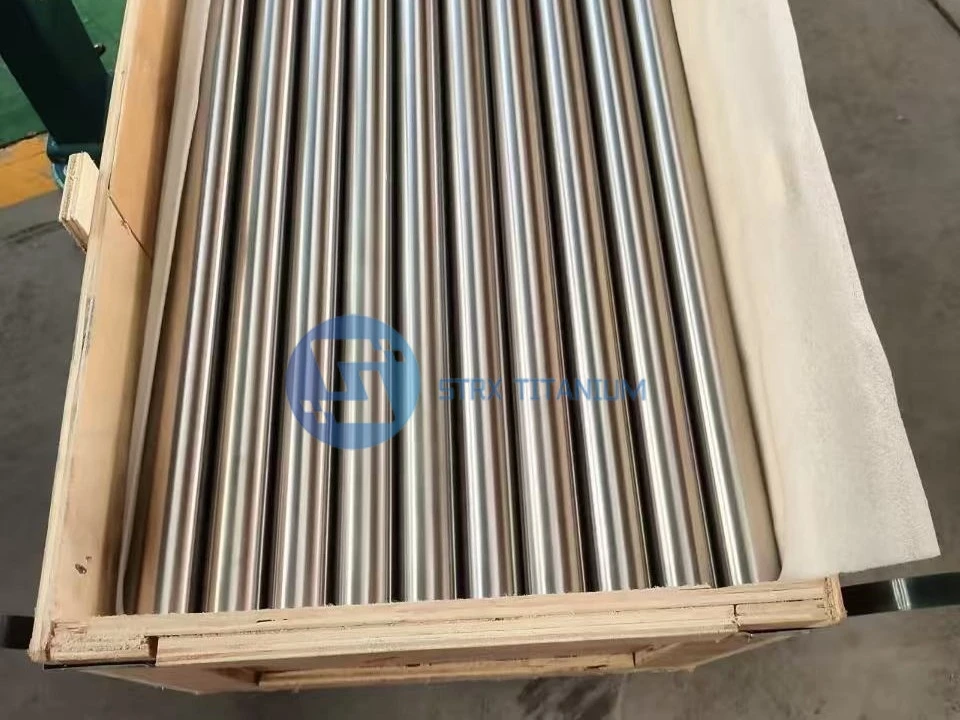
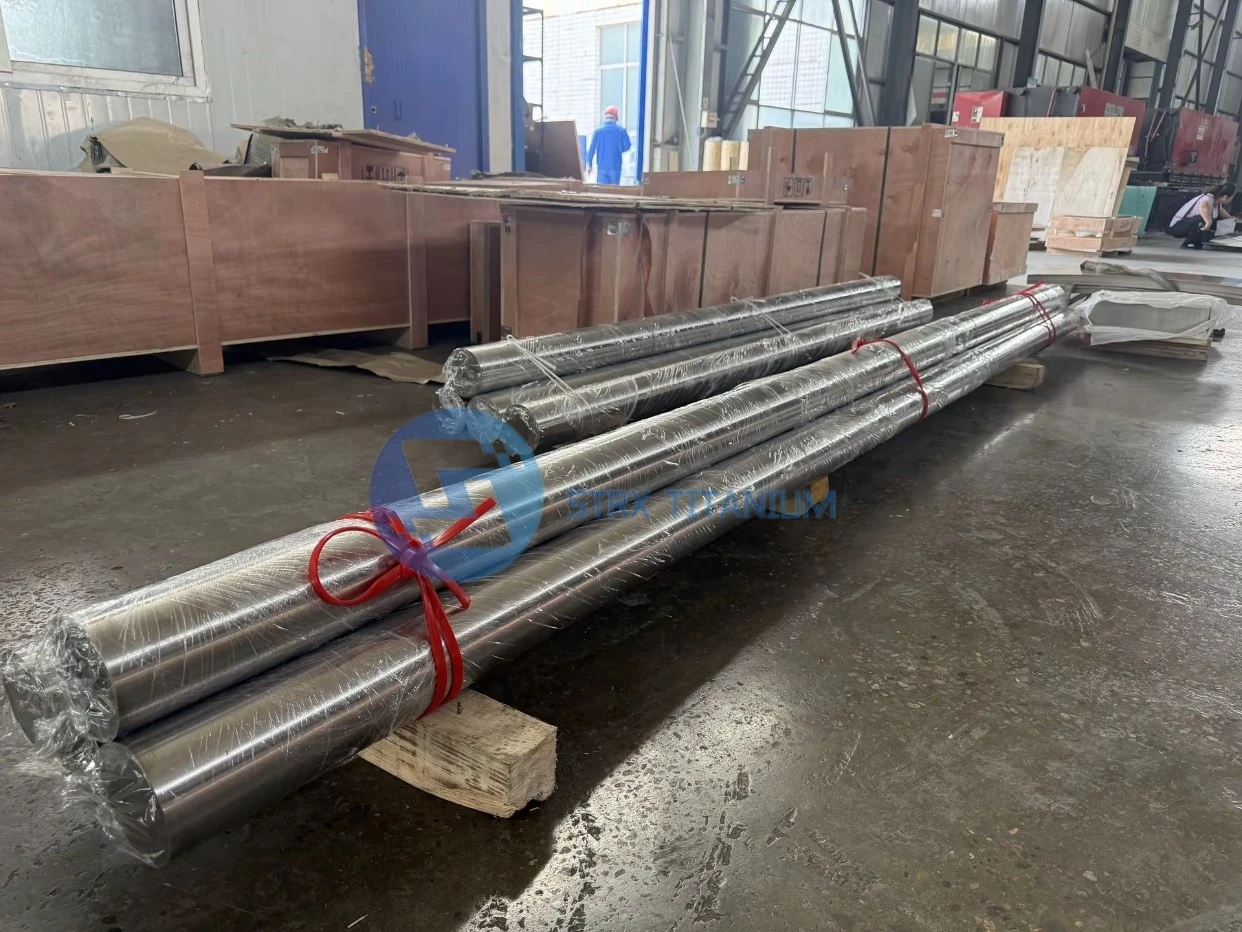
Package
Frequently Asked Questions About Grade 12 Titanium Bars
1. What is Grade 12 titanium bar?
Grade 12 titanium bar is a titanium alloy containing 0.2–0.4% molybdenum and 0.6–0.9% nickel. It is designated UNS R53400 and is known for its improved crevice corrosion resistance, good weldability and industrial corrosion performance.
2. What is the ASTM standard for Grade 12 titanium bars?
ASTM B348/B348M is the relevant specification for Grade 12 titanium bars and billets. It covers chemical composition, mechanical properties, testing and other material requirements for titanium and titanium alloy bars and billets.
3. What is the difference between Grade 12 and Grade 2 titanium?
Grade 2 is commercially pure titanium, while Grade 12 is an alloy containing molybdenum and nickel. These alloying additions improve Grade 12's resistance to crevice corrosion and increase its strength compared with commercially pure titanium.
4. Is Grade 12 titanium suitable for marine and chemical processing applications?
Yes. Grade 12 is used in selected marine and chemical processing applications because of its corrosion resistance, particularly in chloride-containing environments. Actual suitability depends on the specific chemical medium, concentration, temperature and equipment design.
5. What sizes are available for Grade 12 titanium round bars?
STRX lists diameters from 1–100 mm and lengths up to 6000 mm. Custom cutting and dimensions can be discussed according to production capability and order requirements.
6. Can Grade 12 titanium bars be welded?
Yes. Grade 12 titanium alloy has good weldability. Welding requires suitable procedures, clean joint preparation and adequate inert gas shielding to protect the hot titanium from oxygen, nitrogen and hydrogen contamination.
7. Can STRX provide an MTC for Grade 12 titanium bars?
STRX can provide a Mill Test Certificate according to the agreed order requirements. Buyers should confirm the required standard, chemical composition, mechanical testing and traceability information before placing an order.
Request A Quote For Grade 12 Titanium Bars
Looking for a reliable supplier of ASTM B348 Grade 12 titanium bar?
STRX TITANIUM supplies Ti-0.3Mo-0.8Ni titanium alloy bars for industrial equipment manufacturers, engineering contractors and material distributors. Send us your required diameter, length, quantity, applicable standard and delivery condition. Our team can review your specifications and provide a quotation based on your project requirements.
Email: info@strx-titanium.com
Hot Tags: Grade 12 Titanium Bar, China Grade 12 Titanium Bar manufacturers, suppliers, factory, Grade 12 0 8NI 0 3MO titanium Bars, titanium tig welding wire, solid titanium rod, 3 16 titanium rod, Grade 2 Titaninm Round Rod, Titanium Flat Bar strip


